Types of Indices Traders: Scalpers, Day Traders, Swing Traders & Position Trading
Best Stock Indices Trader Type
There are different types of Indices traders. The type of a trader one is depends on the amount of time which they hold their indices trade transactions.
The different types of indices traders also use different chart time frames to place their stock indices trades.
The different types of Indices traders are:
- Scalpers
- Day traders
- Swing traders
- Position Indices traders
Each type of Indices trader is explained below and as a beginner trader you can decide which type of Indices trader you want to be based on your trading personality and the stock indices chart timeframe that you would want to be trading with.
Scalpers
The Indices traders who are scalpers hold on to their stock indices trades for only a few minutes. With the objective of making a small amount of pips in profit, 5 to 10 to 20 pips.
Scalpers are the type of Indices traders that make many indices trading transactions in one day and participate in indices trading during the busiest market hours of the stock indices trading market. A scalper indices trader can open anywhere between 30 to 50 stock indices trades per day.
Scalpers are Indices traders who can make quick decisions.
Scalpers use 1 min stock indices charts to put their stock indices orders. They use 5 minutes Indices chart timeframe to determine the indices trend, if the indices trend is going up or down and to decide their entry and exit.
Scalper 5 minutes indices trading time frame indices trading strategy
A Scalper using 1 min Indices chart timeframe wants to go long, checks 5 minute stock indices chart, looks like the stock indices trading example explained and illustrated below, since it shows the indices trend is going up, the scalper will then decide it's okay to buy indices.
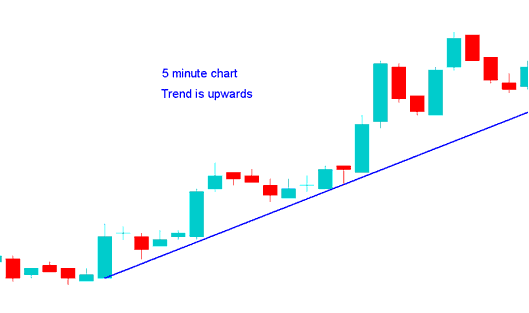
Types of Indices Traders - Scalpers - Scalping Indices Trading - Scalper Indices Trader
Day Traders
Indices Day Trader - This type of Indices trader holds on to their stock indices trades for a few hours but not more than a day. With the aim of making quite a number of pips profit: 30 to 70 pips.
The stock indices day trader makes 2 or 5 indices trading transactions in one day, participating during the busiest times of the stock indices market and they don't hold their indices trade orders overnight.
These Indices traders use the 15 min Indices charts to put their stock indices orders. They use 1 hour stock indices chart to determine the stock indices trading market trend, if it going up or down & to decide their entry and exit.
Indices Day Trader 1 Hour time frame indices trading strategy
A Indices day trader using 15 min stock indices chart wants to go long, checks 1 hour indices chart timeframe, it looks like the stock indices trading example explained and illustrated below, since it shows the stock indices trading market indices trend is going up, the stock indices day trader will then decide it's okay to buy indices.
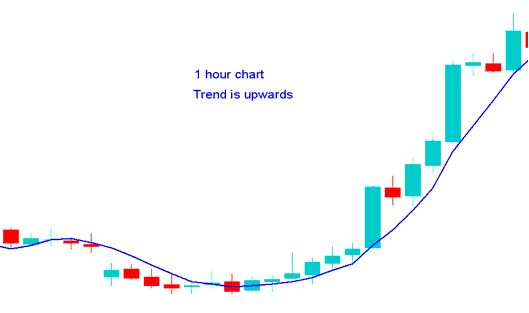
Types of Indices Market Traders - Indices Day Traders - Stock Indices Day Trading - Types of Indices Traders
Swing Traders
Indices Swing Traders - This type of indices trader holds on to their Indices trades for few days to a week - with the objective of making a large number of pips in profit, 100 to 400 pips.
This type of stock indices trader makes an average of 2 to 5 indices trading transactions in one week, holding onto their trades overnight. Swing indices trading method requires indices traders who are patient.
This type of indices trader uses the 1 hour Indices charts to put their stock indices orders. Swing traders use the 4 hour stock indices chart to determine the Indices trend, if it is going up or down and to decide their entry and exit.
Indices Swing Trader 4 Hour chart timeframe indices trading strategy
A indices swing trader using 1 hour candlesticks charts wants to go short, checks 4 hour candlesticks stock indices chart, it looks like the stock indices trading example explained and illustrated below, since it shows the indices trend is going down, the swing indices trader will then decide it's okay to Sell/Go Short indices.
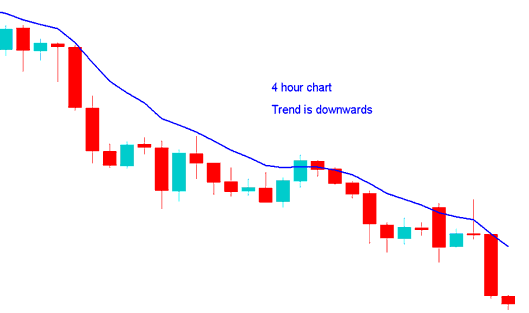
Types of Indices Traders - Swing Traders - Swing Indices Trading - Swing Traders
Position Stock Indices Traders
Position Traders - This type of indices trader holds on to their indices trade for weeks or months. With main objective of making a big amount of pips profit, 300 to 1000 pips.
Position Traders place an average of 2 to 5 orders in a year, position indices trading method requires those who are patient, experienced and have huge account balances that can withstand huge draw-downs.
Position indices traders use 1 day or weekly stock indices charts to put their stock indices orders. They use weekly stock indices chart to determine the trend, if it going up or down and to decide their entry and exit.
Types of Indices Traders
Position indices trader using the daily candlesticks charts wants to go short, checks weekly indices chart timeframe, it looks like the stock indices trading example explained and illustrated below, since weekly indices chart timeframe shows the indices trend is going down, the position indices trader will then decide it is okay to sell - Go short.
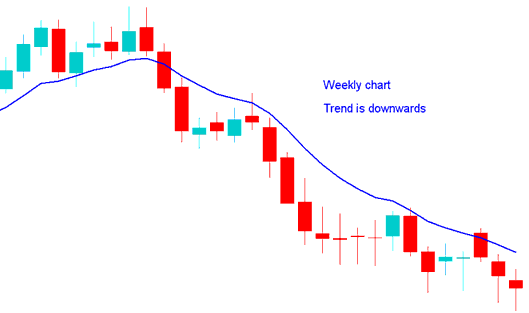
Types of Indices Traders - Position Traders - Position Indices Trading - Position Traders
Best Indices Trader Type
The most popular type of Indices trader or the best Indices trader type is the day trader and scalper indices trader depending on the method of indices trading of each trader, but these two indices trading methods are the most widely chosen indices trading methods. Scalping stock indices trading requires those that can make quick decisions while stock indices day trading is for those who want their stock indices trades to run for longer and have more time when making indices trading decisions. When starting it is best to try indices trading scalping or stock indices day trading. This indices trading methods are the best because you do not leave stock indices orders open for too long. At the same time you do not leave stock indices trades open overnight and you can trade when you have time to watch the stock indices trading market movements. In Indices it is best keep stock indices orders open for as long as the indices trend setup is in your direction and exit immediately once the indices trend direction starts to reverse.
When it comes to the question about which type of indices trading style is used by the best Indices traders or by the top Indices traders the two indices trading methods above are the most commonly used indices trading methods. Traders can also automate these scalping or day trading styles by implementing their indices trading strategies using automated stock indices trading robots.
For indices swing traders, leaving indices trade transactions too long can also take up your profit & this indices trading method also requires a lot of skills so it is best to stick to the short term indices trading methods for most beginner Indices traders.
Position indices trading is not good as it requires a huge account balance & sometime it can result to huge draw-downs.
For indices trading swing trading & position indices trading methods, leaving a indices trade transaction open for too long, may mean these trades can reverse and move against you with a lot of pip movements and can even wipe your stock indices account, for this reason swing and position indices trading methods are not very popular. It is best to stick to indices trading scalping and stock indices day trading so as to better manage the funds in your stock indices trading account.
It is not recommended for the Indices trader who is a beginner trader to leave orders open overnight, it is best to always close open stock indices orders at the end of the day.
Stock Indices News Traders - Types of Indices Traders - Stock Indices News Trading - this indices trading news trader places indices orders during economic news release time, either guessing the news will be positive/negative or placing pending stock indices orders above & below stock indices trading market indices trading price. Stock Indices News trading method is risky as volatility is massive, whilst liquidity may be non-existent. You may not get filled or, worse, your stop loss might not be honored! Stock Indices News Trading method can be very profitable for some indices traders but requires some skills.
Indices Robot Traders - Types of Indices Traders - Automated Indices Traders - the stock indices trading robot trader - automated indices trader is the type of indices trader that uses automated indices trading programs known as stock indices trading robots - EA Robots Expert Advisors Bots to trade the online stock index market. This automated indices trader will install an Automated Indices Robot on their indices trading platform and the automated trading robot will then open & close trades on behalf of the trader based on the strategy which has been used to program this automated stock indices trading robot. If you are new to automated stock indices trading & would like to find a trader using automated trading robots to help you come up with an automated trading robot, then you can find out more about automated trading on the Stock Indices Expert Advisors Article - MQL5 Indices EA Robots Forum.